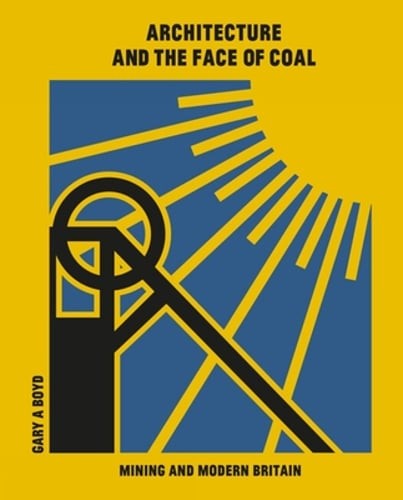
Architecture and the Face of Coal : Mining and Modern Britain by Gary A. Boyd (2023, Hardcover)

$ 20.06

Dewey Decimal: 720.108 Item Height: 1 in ISBN-13: 9781848223561 Item Length: 10.2 in Synopsis: With only a handful of British coalmines remaining active and with targets set to reduce carbon emissions, the coal industry now seems to be heading towards extinction. Yet, it was coal that turned Britain into a world-leader during the Industrial Revolution and established the conditions for the modern state. In the 20th century, it generated building programmes on a massive scale concerning miners' welfare, settlements and housing. The form, space, organisation, and aesthetics of architecture became of critical importance not just to the process of the industry's modernisation but also how it was perceived and understood both within and outside its workforce. But despite the centrality of coal mining and its workers to the development of modern Britain, as well as the contemporary recognition that aspects of its innovative architecture received, its built legacy has often been overlooked and physically almost completely erased. Divided into three parts, this is the first book which provides a critical and comprehensive examination of the architecture of coal in Britain and how it responded to the needs of the industry and, perhaps more significantly, its labour force. Part I explores the relationship between the architecture of coal and the provision of welfare. While this produced a series of enlightened built projects for miners and their communities especially between the wars - educational buildings, reading rooms, holiday camps, welfare institutes, sports grounds, swimming pools, medical centres, children's playgrounds, etc. - it focusses on the paradigmatic integration of aesthetics and programme seen most emphatically in the creation of over 600 pithead baths. Part II looks at settlement and the relationships between responses to often adverse conditions within domestic environments in mining settlements and the development of broader and influential theories and practices concerning housing. Finally, Part III explores the modernisation of the industry during the post-war period arguing that that architectural design and representation became pivotal to the functional and symbolic requirements of the newly Nationalised entity and its position within, and singular contribution to, post-war society., With only a handful of British coalmines remainingactive and with targets set to reduce carbon emissions, the coal industry nowseems to be heading towards extinction. Yet, it was coal that turned Britaininto a world-leader during the Industrial Revolution and established theconditions for the modern state. In the 20th century, it generated buildingprogrammes on a massive scale concerning miners' welfare, settlements andhousing. The form, space, organisation, and aesthetics of architecturebecame of critical importance not just to the process of the industry's modernisationbut also how it was perceived and understood both within and outside itsworkforce. But despite the centrality of coal mining and its workers to thedevelopment of modern Britain, as well as the contemporary recognition thataspects of its innovative architecture received, its built legacy has often beenoverlooked and physically almost completely erased. Divided into three parts, thisis the first book which provides a critical and comprehensive examination ofthe architecture of coal in Britain and how it responded to the needs of theindustry and, perhaps more significantly, its labour force. Part I explores the relationship betweenthe architecture of coal and the provision of welfare. While this produced aseries of enlightened built projects for miners and their communities especiallybetween the wars - educational buildings, reading rooms, holiday camps, welfareinstitutes, sports grounds, swimming pools, medical centres, children'splaygrounds, etc. - it focusses on the paradigmatic integration of aestheticsand programme seen most emphatically in the creation of over 600 pithead baths.Part II looks at settlement and the relationships between responses to oftenadverse conditions within domestic environments in mining settlements and thedevelopment of broader and influential theories and practices concerninghousing. Finally, Part III explores the modernisation of the industry duringthe post-war period arguing that that architectural design and representationbecame pivotal to the functional and symbolic requirements of the newlyNationalised entity and its position within, and singular contribution to, post-war society., With only a handful of British coalmines remainingactive and with targets set to reduce carbon emissions, the coal industry nowseems to be heading towards extinction. Yet, it was coal that turned Britaininto a world-leader during the Industrial Revolution and established theconditions for the modern state. In the 20th century, it generated buildingprogrammes on a massive scale concerning miners' welfare, settlements andhousing. The form, space, organisation, and aesthetics of architecturebecame of critical importance not just to the process of the industry's modernisationbut also how it was perceived and understood both within and outside itsworkforce. But despite the centrality of coal mining and its workers to thedevelopment of modern Britain, as well as the contemporary recognition thataspects of its innovative architecture received, its built legacy has often beenoverlooked and physically almost completely erased. Divided into three parts, thisis the first book which provides a critical and comprehensive examination ofthe architecture of coal in Britain and how it responded to the needs of theindustry and, perhaps more significantly, its labour force. Part I explores the relationship betweenthe architecture of coal and the provision of welfare. While this produced aseries of enlightened built projects for miners and their communities especiallybetween the wars - educational buildings, reading rooms, holiday camps, welfareinstitutes, sports grounds, swimming pools, medical centres, children'splaygrounds, etc. - it focusses on the paradigmatic integration of aestheticsand programme seen most emphatically in the creation of over 600 pithead baths.Part II looks at settlement and the relationships between responses to oftenadverse conditions within domestic environments in mining settlements and thedevelopment of broader and influential theories and practices concerninghousing. Finally, Part III explores the modernisation of the industry duringthe post-war period arguing that that architectural design and representationbecame pivotal to the functional and symbolic requirements of the newlyNationalised entity and its position within, and singular contribution to,post-war society., Beautifully illustrated, Architecture and the Face of Coal is the first book to examine the fascinating story of the relationship between architecture and Britain's coal fields, and includes examples of iconic and avant-garde architectural forms. brand: Lund Humphries Publishers, The Limited Intended Audience: Trade Language: English Author: Gary A. Boyd Table Of Content: Contents: Part I: Pithead baths and the architecture of welfare; Part II: Settlement; Part III: Architecture, publicity, and the Plan for Coal. Genre: Architecture Topic: History / Modern (Late 19th Century to 1945), Buildings / Public, Commercial & Industrial, General Dewey Edition: 23 Item Width: 8.2 in ISBN-10: 1848223560 Item Weight: 46.8 Oz gtin13: 9781848223561 Book Title: Architecture and the Face of Coal : Mining and Modern Britain Publisher: Lund Humphries Publishers, The Limited Illustrator: Yes Number of Pages: 288 Pages LC Classification Number: NA2543 Format: Hardcover Publication Year: 2023

Description

Further Details Title: Architecture and the Face of Coal Condition: New Description: With only a handful of British coalmines remainingactive and with targets set to reduce carbon emissions, the coal industry nowseems to be heading towards extinction. Yet, it was coal that turned Britaininto a world-leader during the Industrial Revolution and established theconditions for the modern state. In the 20th century, it generated buildingprogrammes on a massive scale concerning miners’ welfare, settlements andhousing. The form, space, organisation, and aesthetics of architecturebecame of critical importance not just to the process of the industry’s modernisationbut also how it was perceived and understood both within and outside itsworkforce. But despite the centrality of coal mining and its workers to thedevelopment of modern Britain, as well as the contemporary recognition thataspects of its innovative architecture received, its built legacy has often beenoverlooked and physically almost completely erased. Divided into three parts, thisis the first book which provides a critical and comprehensive examination ofthe architecture of coal in Britain and how it responded to the needs of theindustry and, perhaps more significantly, its labour force. Part I explores the relationship betweenthe architecture of coal and the provision of welfare. While this produced aseries of enlightened built projects for miners and their communities especiallybetween the wars – educational buildings, reading rooms, holiday camps, welfareinstitutes, sports grounds, swimming pools, medical centres, children’splaygrounds, etc. – it focusses on the paradigmatic integration of aestheticsand programme seen most emphatically in the creation of over 600 pithead baths.Part II looks at settlement and the relationships between responses to oftenadverse conditions within domestic environments in mining settlements and thedevelopment of broader and influential theories and practices concerninghousing. Finally, Part III explores the modernisation of the industry duringthe post-war period arguing that that architectural design and representationbecame pivotal to the functional and symbolic requirements of the newlyNationalised entity and its position within, and singular contribution to,post-war society. Author: Gary A. Boyd Format: Hardback Subtitle: Mining and Modern Britain EAN: 9781848223561 ISBN: 9781848223561 Language: English Country/Region of Manufacture: GB Item Height: 260mm Item Length: 210mm Genre: Technology & Engineering Publisher: Lund Humphries Publishers Ltd Release Date: 12/15/2022 Topic: Architecture & Antiques Release Year: 2022 Missing Information? Please contact us if any details are missing and where possible we will add the information to our listing.