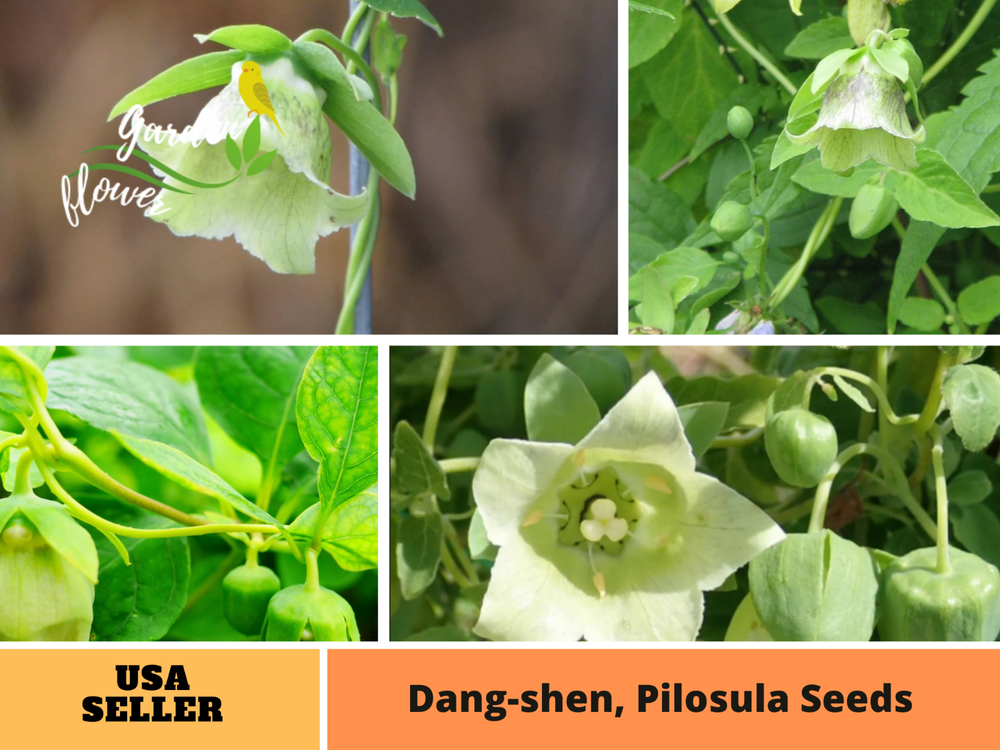
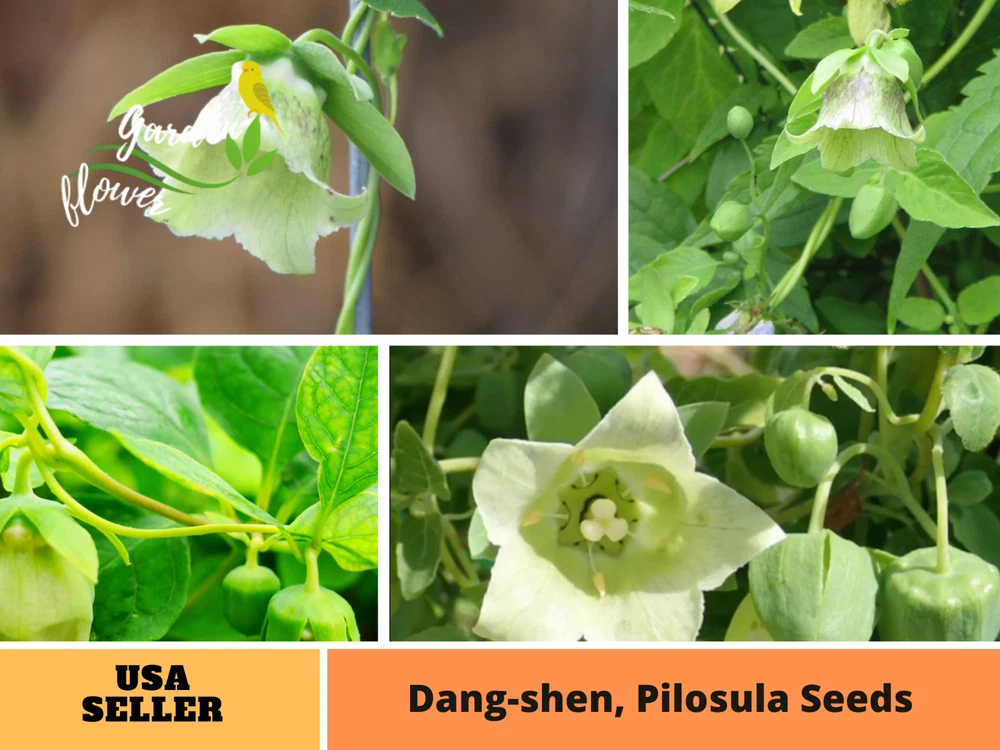
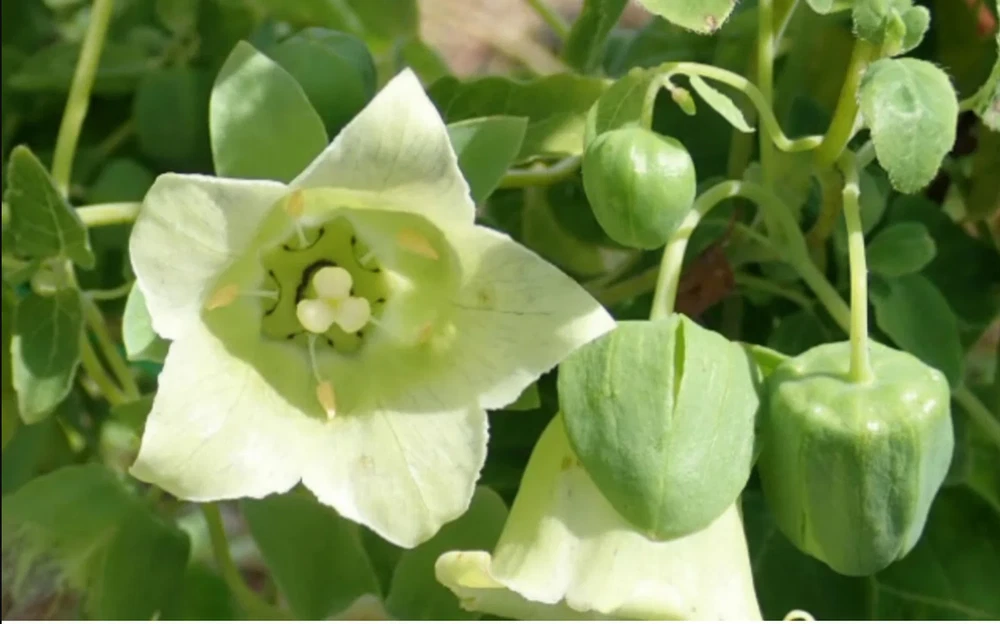
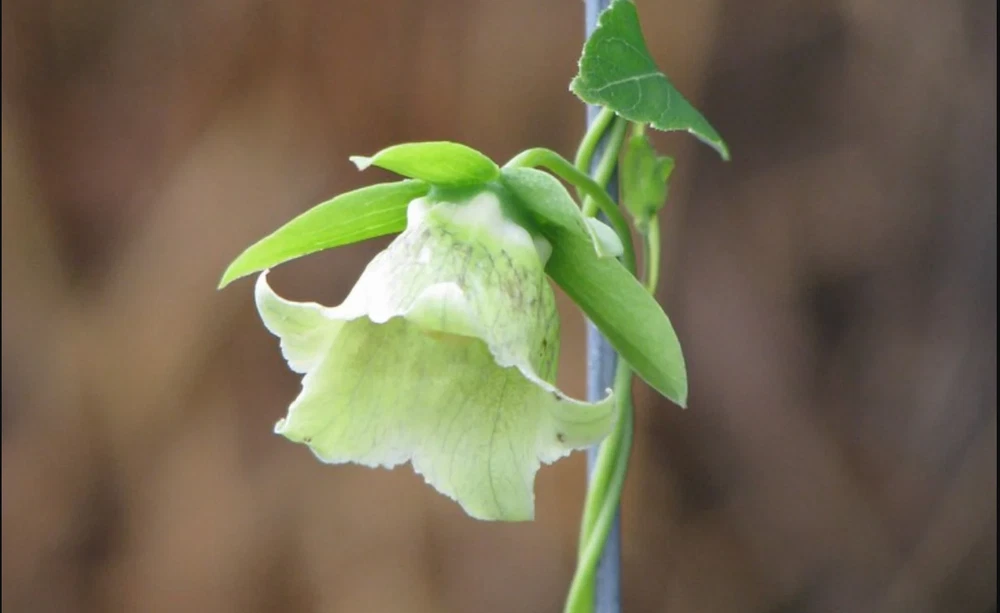
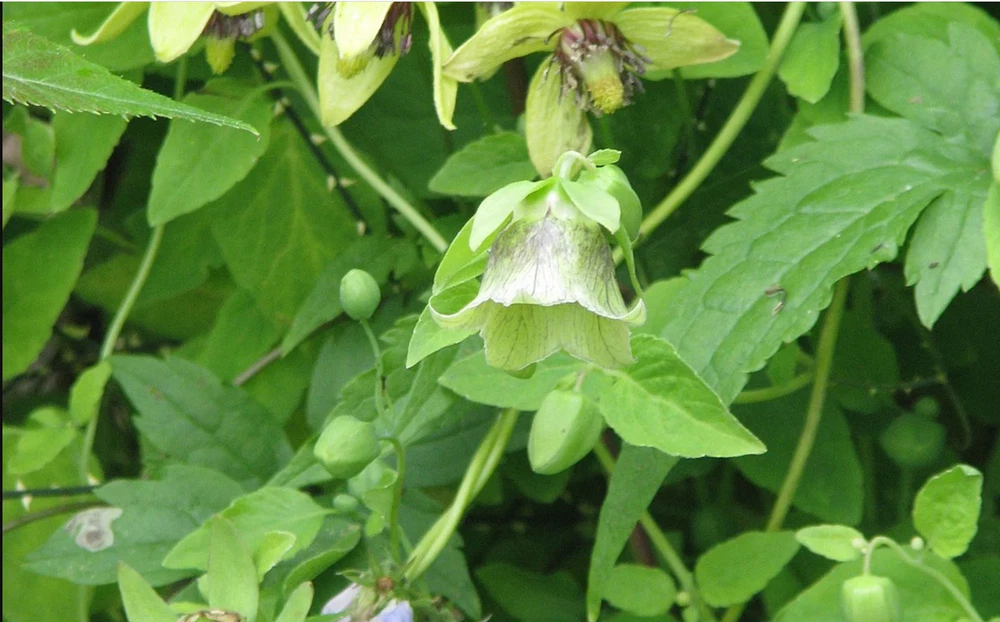
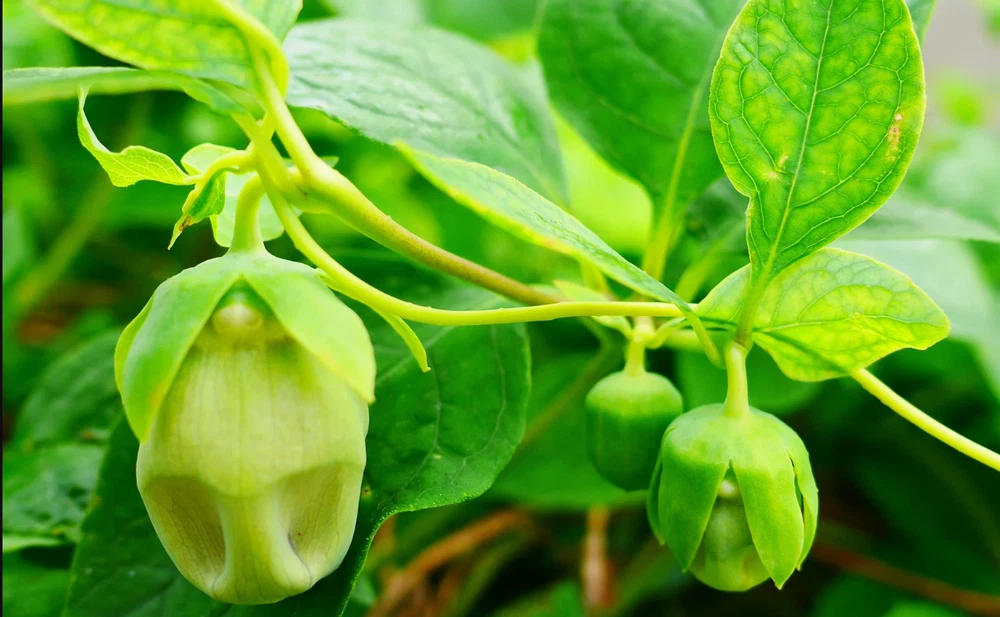
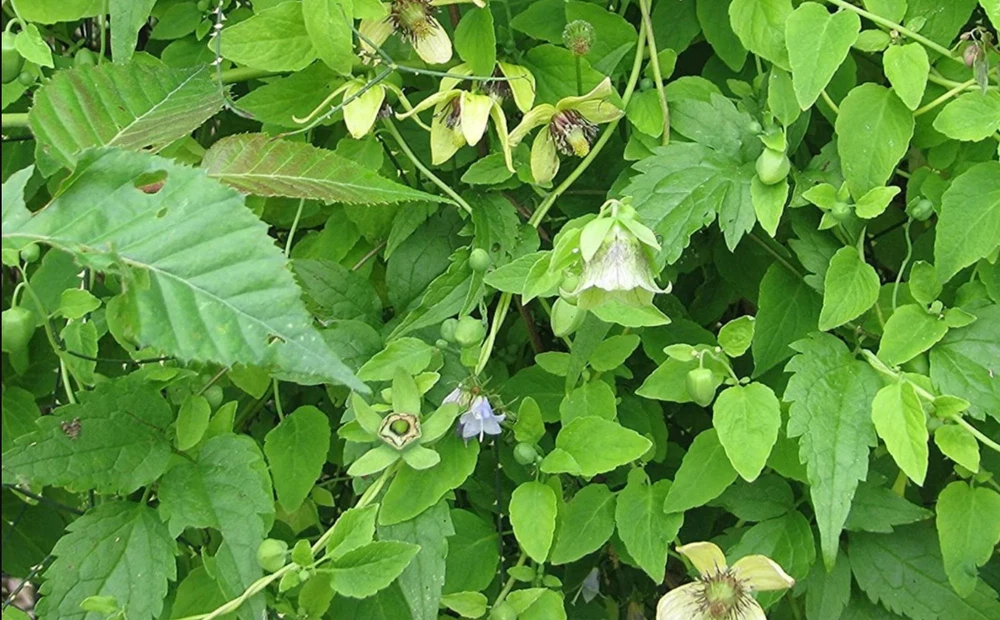
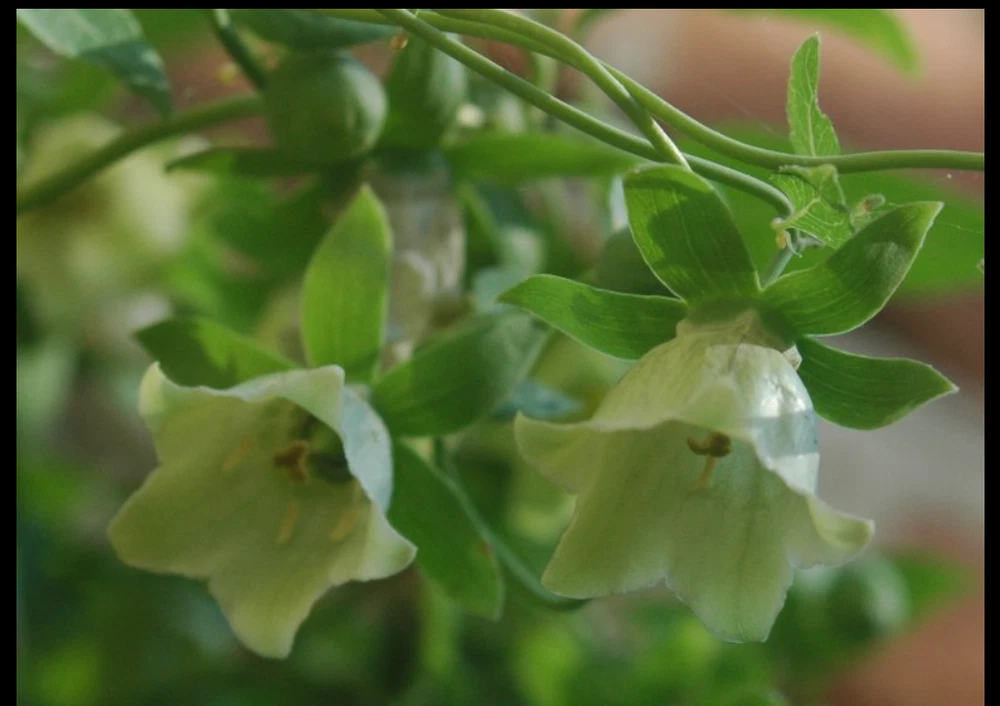
60 seeds| Dang-shen, Codonopsis pilosula Herb seeds #6004
$ 2.01
Description
Growing Dang-shen (Codonopsis pilosula) from seeds can be a rewarding endeavor for those interested in medicinal herbs. Codonopsis pilosula, also known as "poor man's ginseng," offers various health benefits similar to ginseng but is easier to cultivate. Here’s a step-by-step guide to successfully germinating and growing Dang-shen from seeds: 1. Seed Collection and Preparation - Cold Stratification: Dang-shen seeds benefit from cold stratification to break dormancy. Mix the seeds with moist sand or peat moss, place them in a sealed plastic bag, and store in the refrigerator for about 2-4 weeks. 2. Timing for Planting - Indoor Start: Begin sowing seeds indoors in late winter or early spring, about 8-10 weeks before the last expected frost date. This allows the seedlings time to establish themselves before being transplanted outdoors. - Direct Sowing: Alternatively, you can sow the seeds directly outdoors in the spring, after the danger of frost has passed, or in the fall to allow natural stratification over the winter. 3. Planting the Seeds - Soil Preparation: Use a well-draining soil mix, ideally with a mixture of loam and sand, to ensure good aeration and drainage. Amend with organic compost to improve fertility. - Sowing Depth: Sow seeds about 1/4 inch deep. Lightly cover the seeds with soil and gently press down. - Spacing: Space seeds or seedlings about 12 inches apart, as Dang-shen plants can grow quite large. 4. Germination Conditions - Temperature: Keep the planting area at a steady temperature, ideally between 60°F and 70°F (15°C to 21°C). - Light: Provide plenty of light if starting indoors. A south-facing window or under grow lights works well. - Moisture: Keep the soil consistently moist but not waterlogged. Use a spray bottle to mist the surface gently if needed. 5. Germination Time - Expect seeds to germinate in about 2-3 weeks, although it could take longer depending on soil and ambient conditions. 6. Care After Germination - Thinning: Once seedlings have developed their first set of true leaves, thin them to ensure they have enough space to grow robustly. - Transplanting: Transplant the seedlings into individual pots if started indoors once they are sturdy enough, usually when they have a couple of sets of true leaves. 7. Transplanting Outdoors - Hardening Off: Gradually acclimate the seedlings to outdoor conditions over a week to reduce shock. - Outdoor Location: Choose a spot with partial shade to mimic their natural growing environment. Dang-shen does not require full sun and will benefit from some protection during the hottest parts of the day. 8. Ongoing Care - Watering: Water regularly to maintain moist soil conditions, especially in dry weather, but ensure good drainage to avoid root rot. - Mulching: Apply a layer of organic mulch around the base of the plants to help retain soil moisture and suppress weeds. - Fertilizing: Feed with a balanced, slow-release fertilizer at the beginning of the growing season to promote healthy growth. 9. Harvesting - Root Harvest: The roots of Dang-shen are typically harvested in the fall of the third or fourth year after planting. The roots are used fresh or dried for medicinal purposes. Dang-shen is not only valued for its health benefits but also adds a unique element to your garden. With proper care and patience, you can successfully cultivate this valuable medicinal herb from seeds.