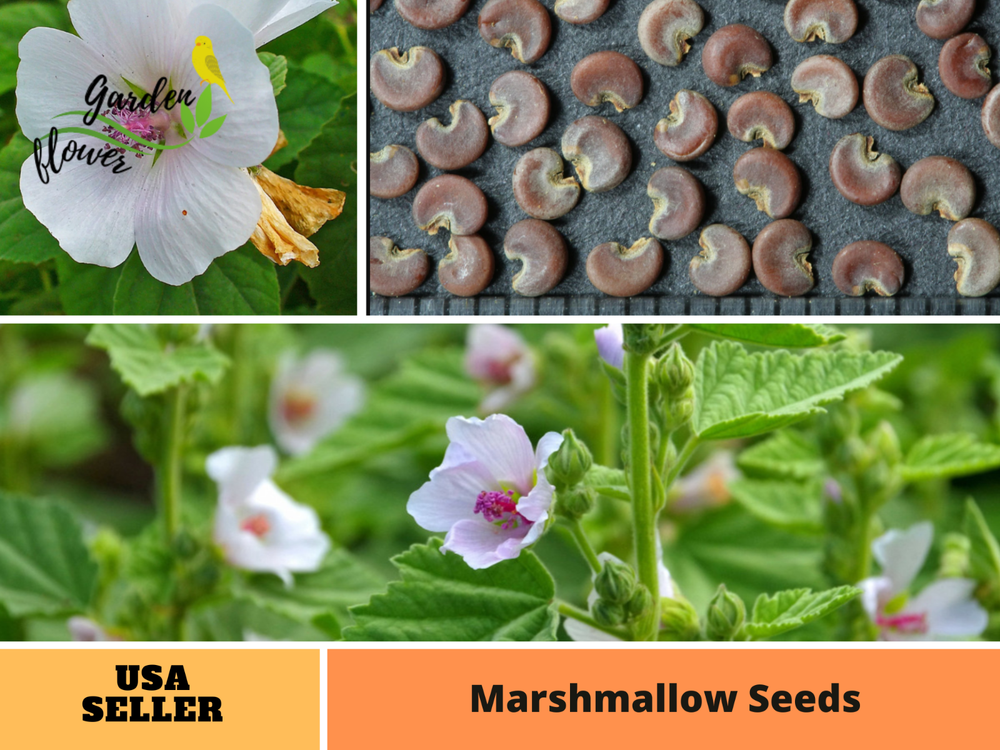
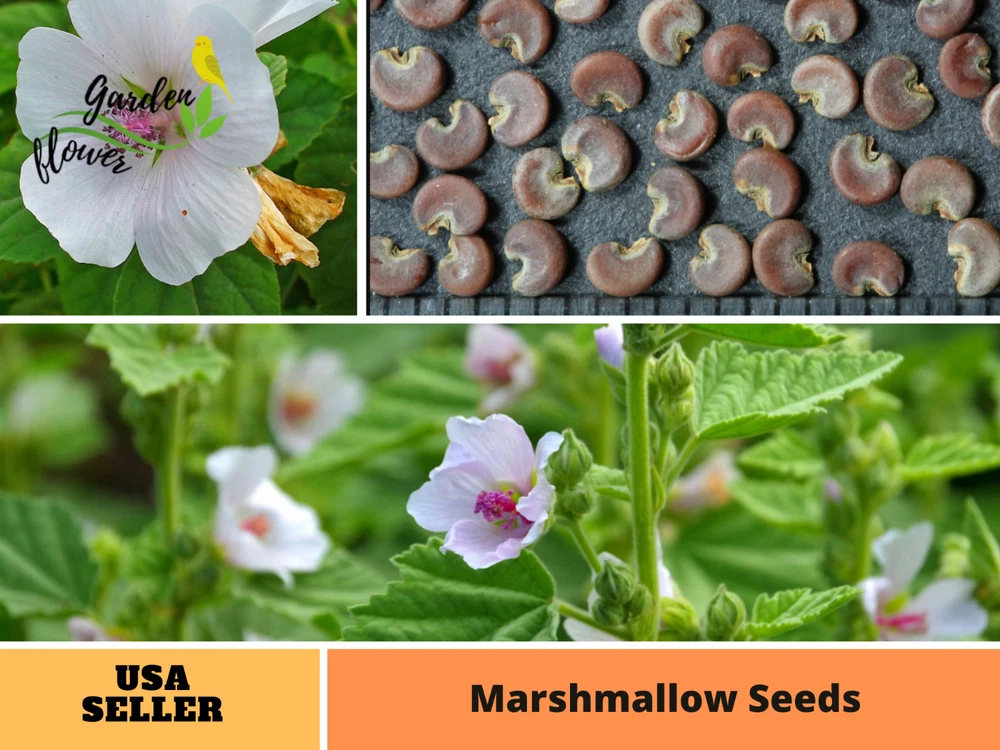
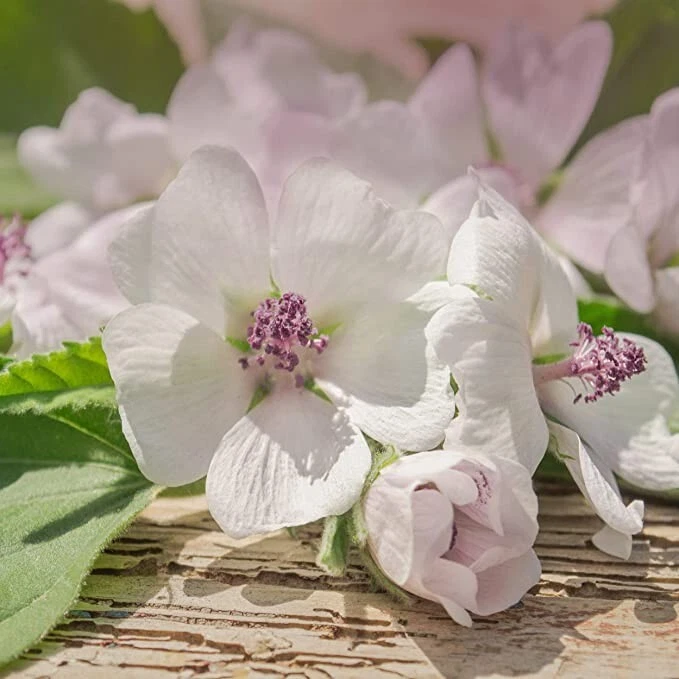
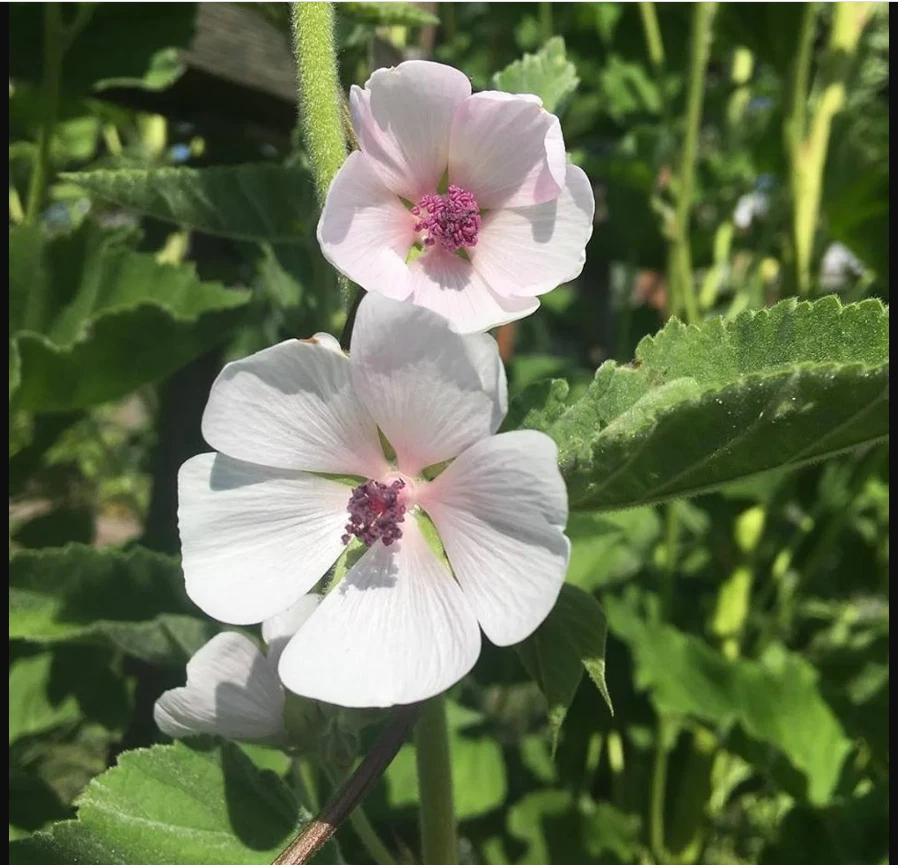
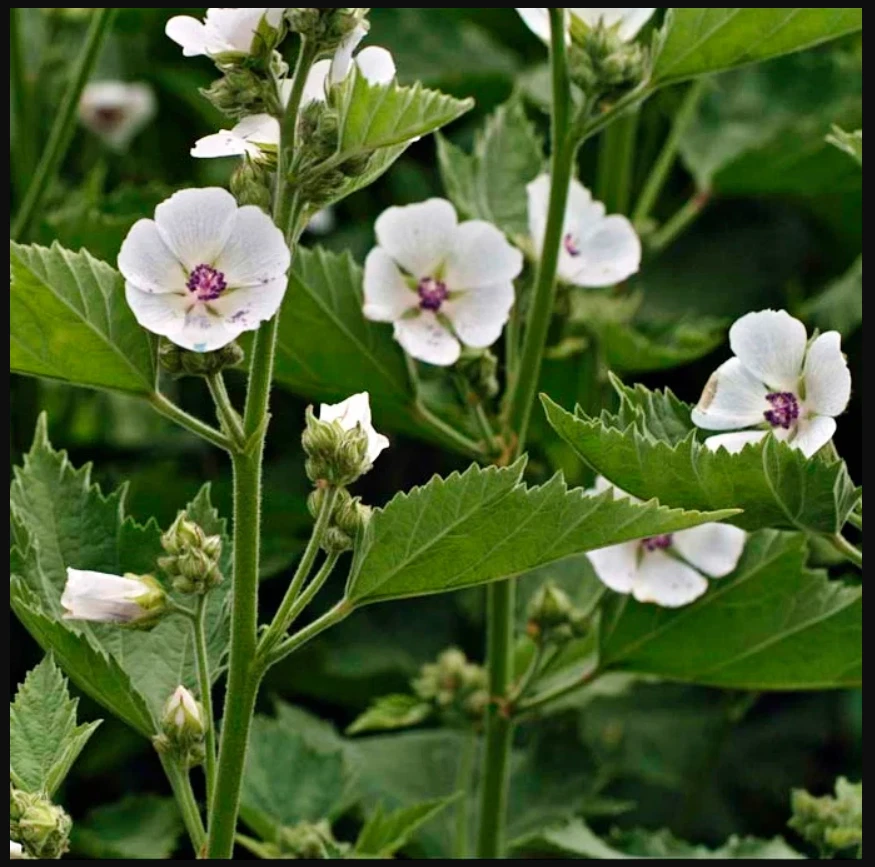
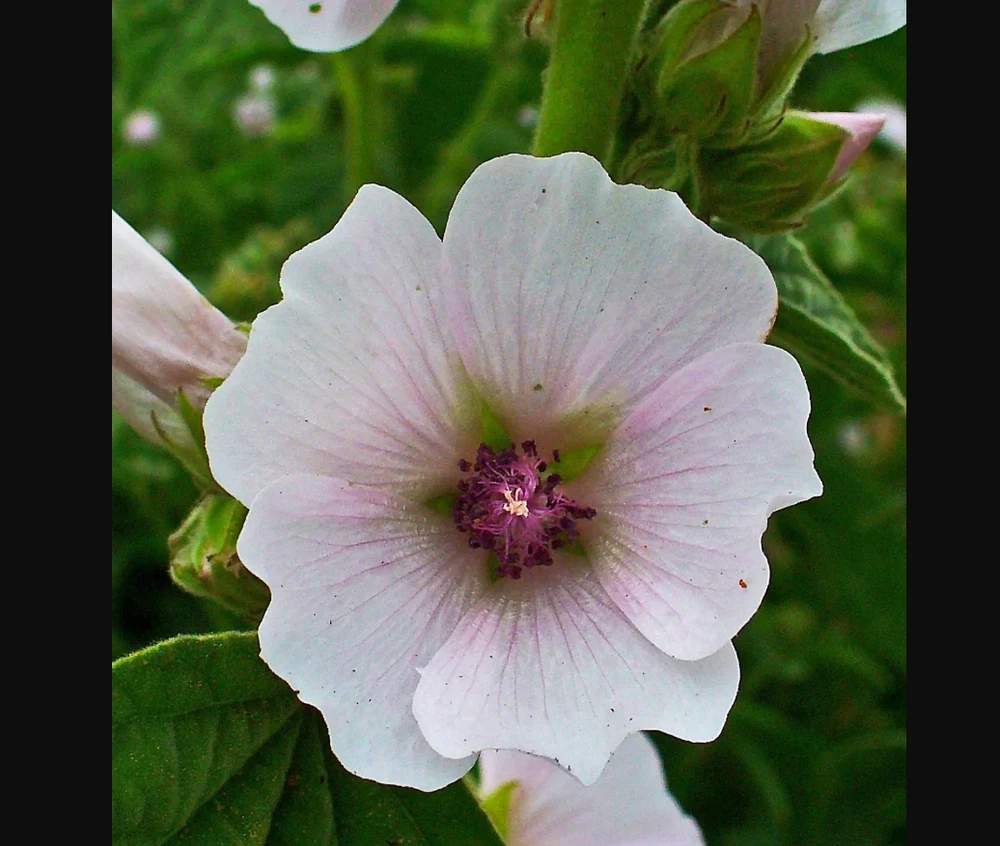
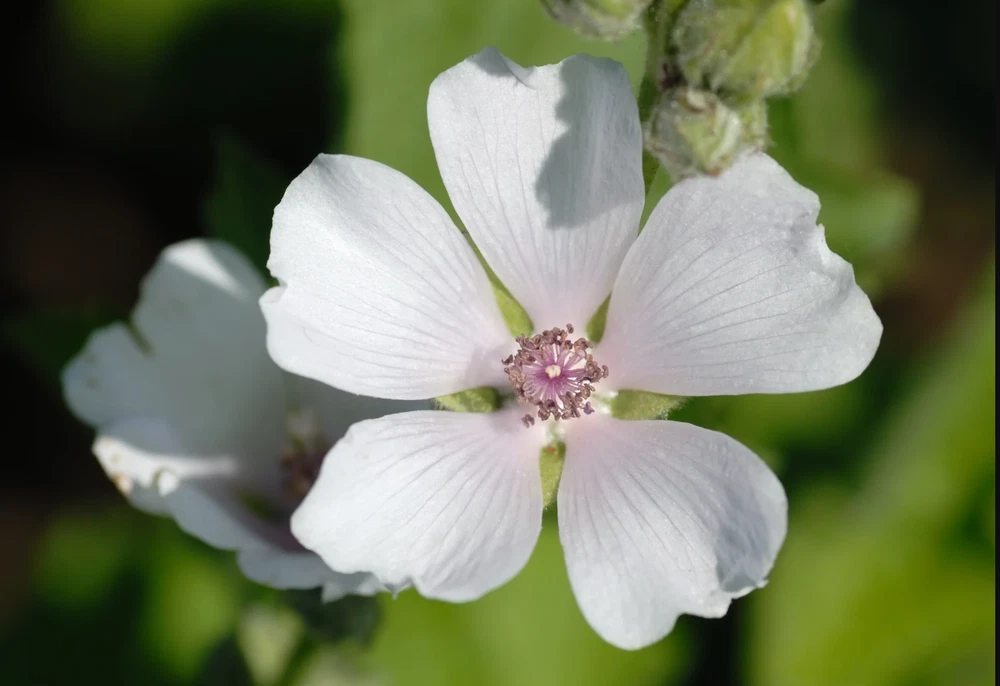
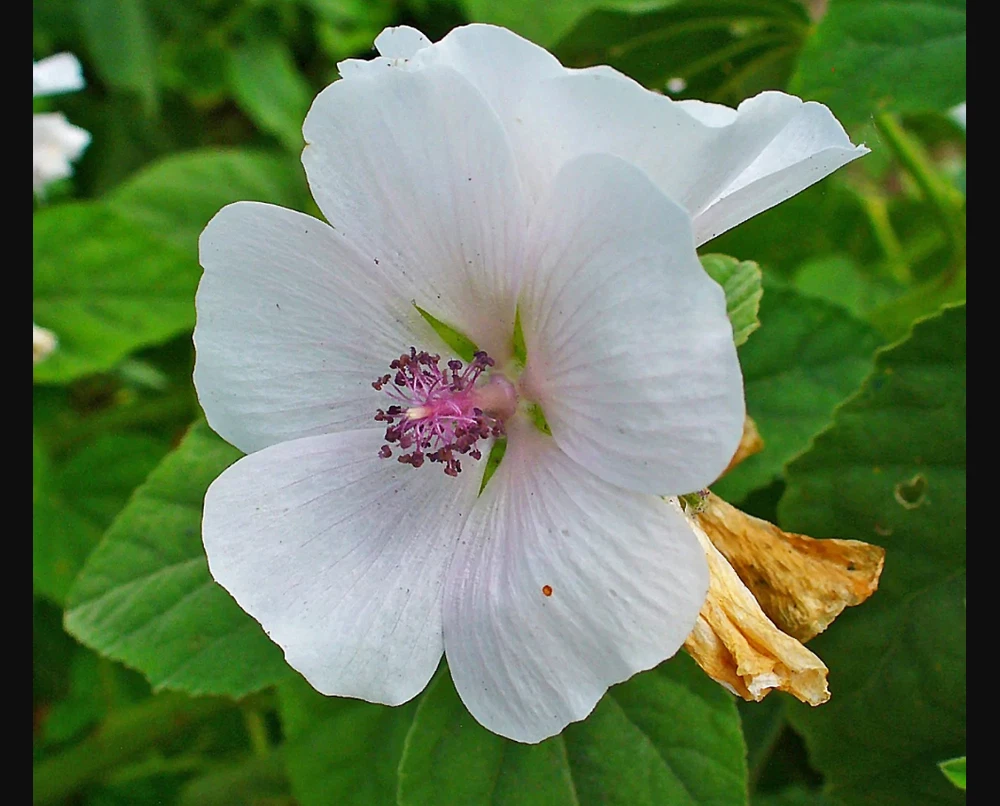
30 seeds| Marshmallow Flower seeds #6002
$ 2.01
Description
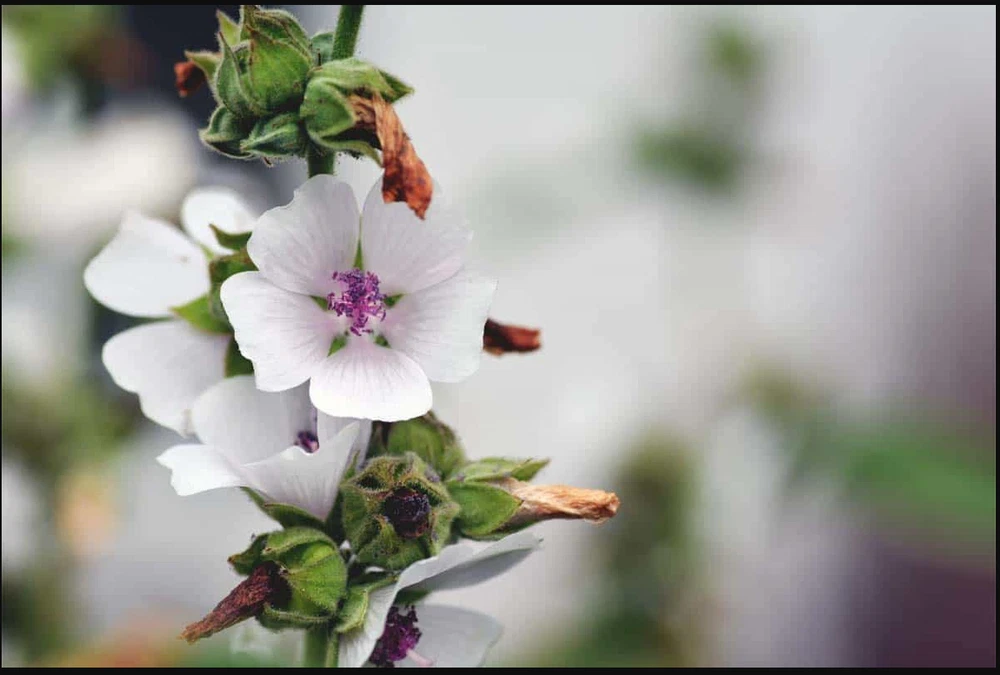
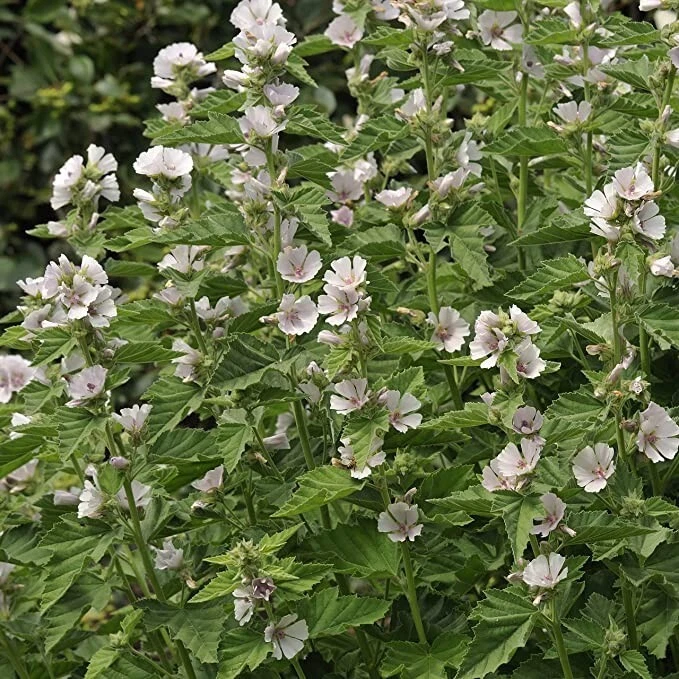
Growing Marshmallow (Althaea officinalis) from seeds can add an interesting and beneficial plant to your garden, known for its medicinal properties and attractive flowers. Here’s a step-by-step guide on how to successfully germinate and grow Marshmallow seeds: 1. Seed Collection and Preparation - Collect Seeds: If you have access, collect seeds from ripe marshmallow fruits. The seeds are small and embedded within the fruit. - Cleaning: Clean the seeds thoroughly to remove any fruit pulp, as this can inhibit germination. 2. Preparation for Germination - Stratification: Marshmallow seeds benefit from cold stratification to break dormancy and improve germination rates. Mix the seeds with moist sand or a moistened paper towel, place them in a sealed plastic bag, and refrigerate for 1-3 months. 3. Timing for Planting - Indoor Start: Start the seeds indoors in late winter or early spring, about 8-10 weeks before the last expected frost date. This allows the seedlings time to grow strong enough for transplanting outdoors. - Direct Sowing: If you live in a milder climate, you can direct sow the seeds in the garden in spring, after the danger of frost has passed, or in late summer/early fall. 4. Planting the Seeds - Soil Preparation: Whether starting indoors or outdoors, use well-draining soil rich in organic matter. If starting indoors, use a seed starting mix. - Sowing Depth: Sow the seeds on the surface of the soil and lightly cover them with a thin layer of soil or vermiculite. Marshmallow seeds need some light to germinate, so do not bury them deeply. - Spacing: Space seeds or seedlings about 12 inches apart to allow enough room for growth and reduce competition. 5. Germination Conditions - Temperature: Maintain a temperature in the growing medium of around 60-70°F (15-21°C). - Germination Time: Expect seeds to germinate in 14-21 days, though times can vary based on conditions. 6. Care After Germination - Thinning: Once seedlings have developed their first set of true leaves, thin them to about 2 inches apart to allow healthy development until ready to transplant. - Light: Provide plenty of light. If growing indoors, place near a sunny window or under grow lights. 7. Transplanting - Hardening Off: Gradually acclimate indoor-started seedlings to outdoor conditions over a week before transplanting to reduce shock. - Planting Out: Transplant the seedlings into the garden after all risk of frost has passed, spacing them about 2 feet apart to allow room for growth. 8. Ongoing Care - Watering: Water regularly, allowing the soil to slightly dry between waterings. Marshmallow plants prefer moist conditions but are somewhat drought tolerant once established. - Mulching: Apply organic mulch around the base to retain soil moisture and suppress weeds. - Fertilizing: Feed with a balanced organic fertilizer in early spring and again in mid-summer. 9. Harvesting - Leaves and Flowers: You can begin to harvest leaves in the first year and flowers in the second year during the blooming period. - Roots: Marshmallow roots are typically harvested in the late fall of the second year after the foliage has died back. 10. Pest and Disease Management - Marshmallow plants are relatively hardy but watch for common pests and diseases. Treat organically if necessary to maintain plant health.