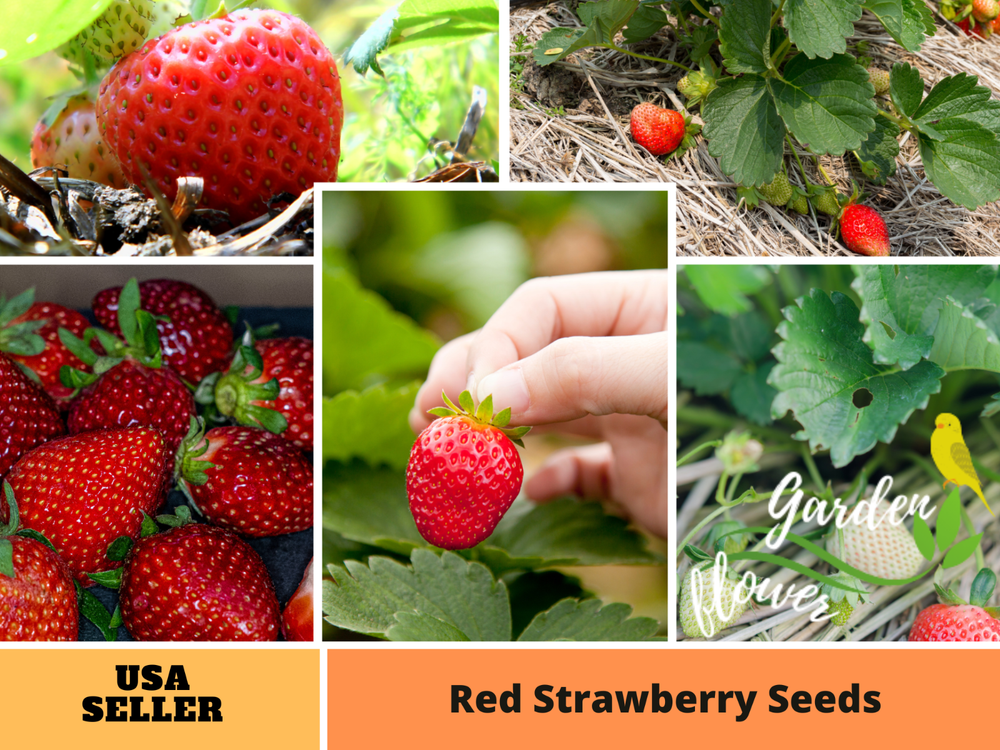
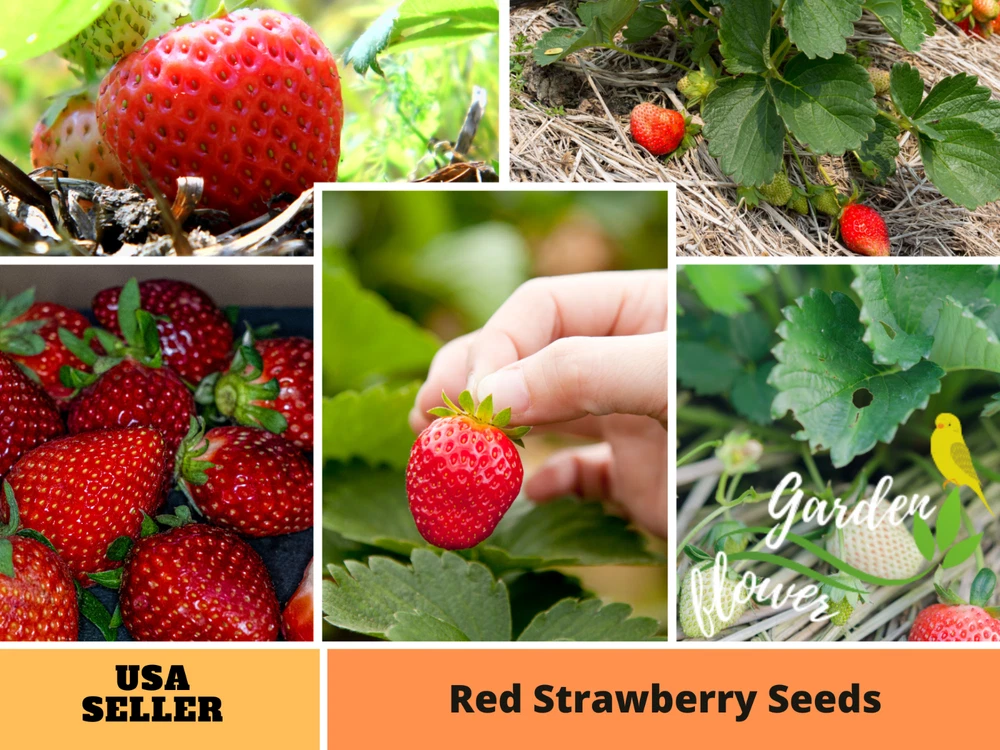

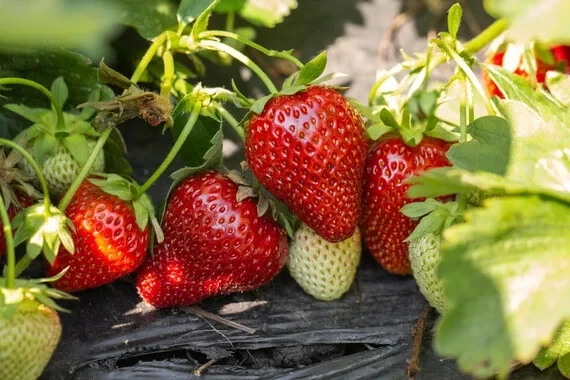
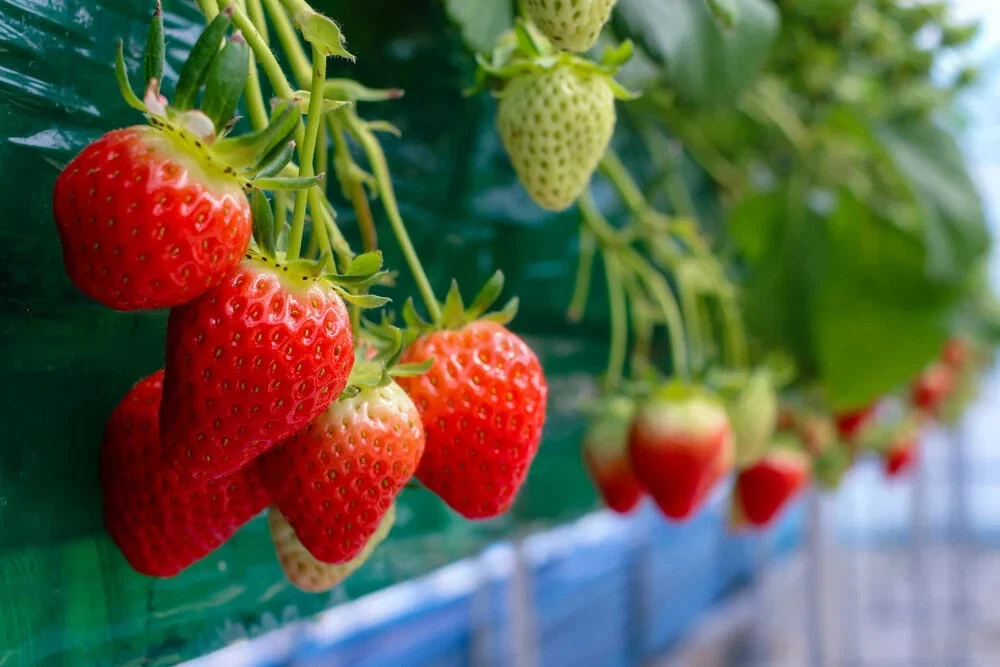
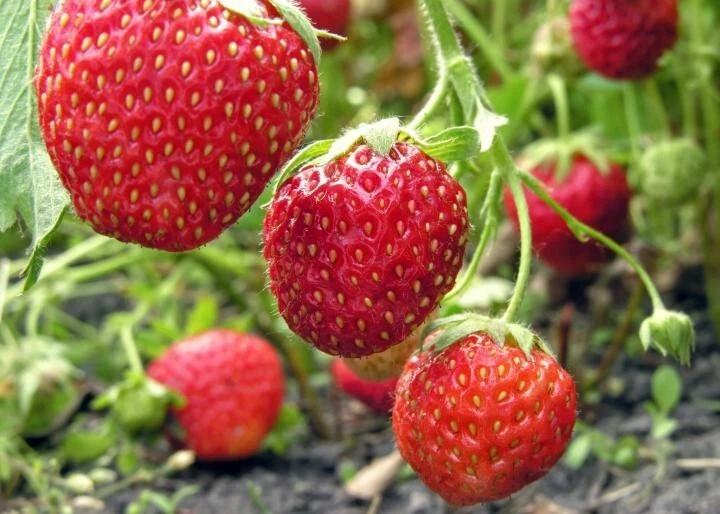

110 seeds| Red Strawberry Fruit Seeds #5006
$ 2.01
Description
Growing strawberries from seeds can be a rewarding process, though it takes patience as it can be slow to start. Here’s how to successfully germinate and grow red strawberry fruit seeds: 1. Seed Preparation - Cold Stratification: Strawberry seeds often require cold stratification to break dormancy. Mix the seeds with moist sand or a moistened paper towel, place them in a sealed plastic bag, and refrigerate for about 3 to 4 weeks. 2. Timing for Planting - Indoor Start: Sow seeds indoors 8-10 weeks before the last expected frost date. This gives plants enough time to grow strong before transplanting outdoors. 3. Sowing the Seeds - Soil Preparation: Use a seed-starting mix or make your own by mixing peat moss, vermiculite, and perlite. Ensure the mix is fine-textured and free-draining. - Planting Depth: Sow the seeds on the surface of the moistened growing medium and lightly press them into the mix but do not cover them, as strawberry seeds need light to germinate. - Containers: Sowing in small pots or trays is advisable because it allows for better control over the growing environment. 4. Germination Environment - Temperature: Keep the soil at about 60-75°F (15-24°C) for optimal germination. Use a heat mat if necessary to maintain a consistent temperature. - Light: Provide strong, indirect light. A south-facing window or under grow lights can work well. - Moisture: Keep the growing medium consistently moist but not waterlogged. Using a spray bottle to mist the surface is a good method to avoid disturbing the tiny seeds. 5. Germination Time - Strawberry seeds can take anywhere from 2 to 6 weeks to germinate, so patience is important. 6. Care After Germination - Thinning: Once seedlings are large enough to handle, thin them to the strongest specimens. - Transplanting: When seedlings have several true leaves, transplant them into individual pots with a well-draining potting mix rich in organic matter. 7. Planting Outdoors - Timing: Transplant outdoors after the danger of frost has passed and when seedlings are strong enough. - Site Preparation: Choose a site with full sun and well-draining soil. Amend the soil with compost or aged manure to improve fertility. - Spacing: Plant strawberries about 12 inches apart to allow for spreading. 8. Ongoing Care - Watering: Water regularly to keep the soil moist. Strawberries have shallow roots and can dry out quickly. - Mulching: Mulch around plants with straw or pine needles to help retain moisture, control weeds, and keep fruits clean. - Fertilizing: Feed with a balanced fertilizer after planting. Once plants start blooming, switch to a high-potassium fertilizer to encourage fruiting. - Runner Management: Manage runners by pinning them down to encourage rooting or cutting them to concentrate the plant’s energy on fruit production. 9. Harvesting - Harvest Time: Strawberries typically begin to bear fruit in their second year. Harvest fruits when they are fully red and detach easily from the plant. 10. Pest and Disease Management - Monitor for pests such as slugs and aphids. Use organic pesticides or natural remedies like diatomaceous earth for slugs and soapy water for aphids. Watch for diseases like powdery mildew and treat with appropriate fungicides.